
I’d been looking forward to Nepal the most for two reasons: trekking and Jacob.
It had been almost exactly four months since I’d seen my husband, and I missed him tremendously. Sometimes the missing was backgrounded, fond, a little distant; sometimes it colored my whole day and made me wonder what the hell I was doing here on the other side of the world.
I got to Kathmandu first, having allowed some travel flex to catch my bus from Varanasi. I picked him up from the airport in a cab, suddenly and inexplicably anxious about being reunited. Even then I knew that was ridiculous (but, ya know, I find anxiety easy to come by).
The next morning we headed for Pokhara, Nepal’s second largest city, which has long been a beloved waypoint on the international travel & trekking circuit. I barely got to enjoy its lakeside eateries and decidedly chill vibes, however, before falling ill — gastrointestinal sickness number four ftw!
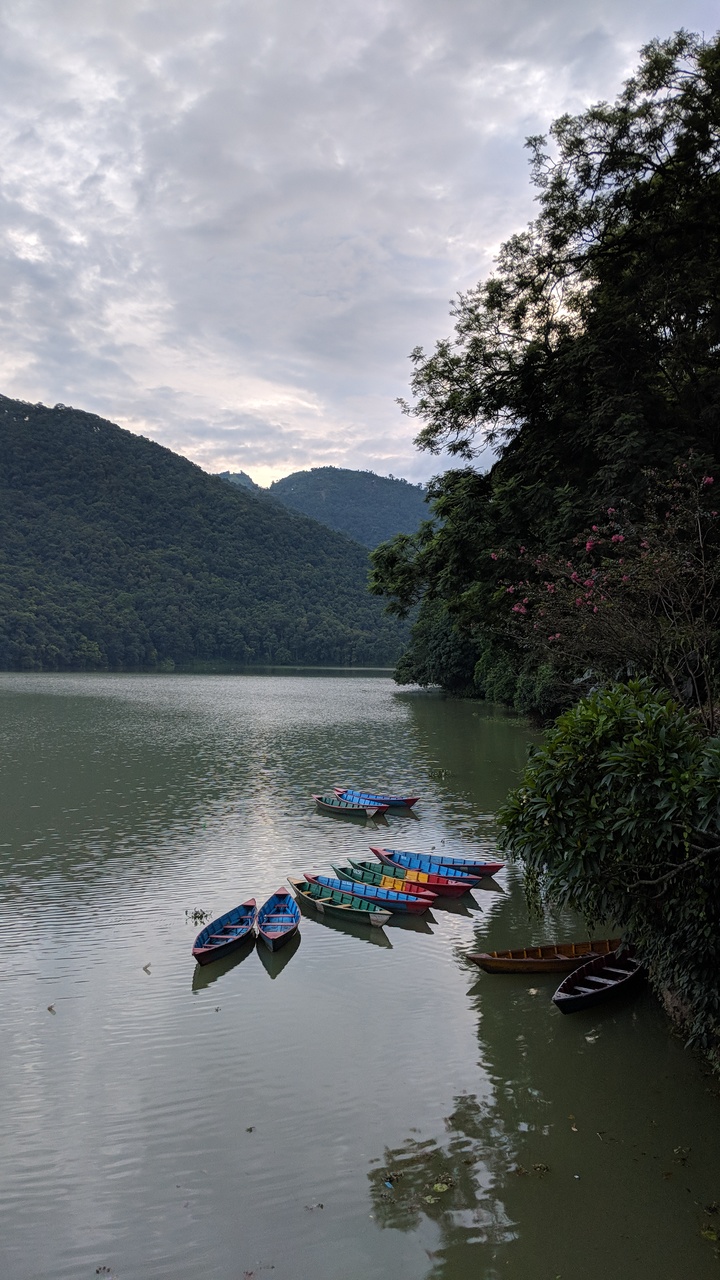
This time I had someone to look after me though. I spent four days in bed, while Jake petted my head, read to me from a fantasy novel he’d brought, and made the occasional foray to explore the town and move forward our trekking guide interviews. It wasn’t exactly how I’d have chosen to spend our first week together in Nepal, but it was also kind of nice.
I got better. Jake fell ill. For a minute there it looked like our trekking plans were truly star-crossed. But his own GI distress turned out to be short lived, thankfully. After one more day, we at last were able to meet up with our guide, Durga, and set out by Jeep for Nepal’s remote Upper Mustang region.
The first leg of the trip was an extremely uncomfortable, crowded, and bumpy 16 hour Jeep ride to Jomsom, which traversed the single most terrifying road I’ve ever been on. Most of the way, the road consisted of a 10-15 foot wide muddy ledge that was prone to washouts and, in place of a railing, sported a sheer drop-off into a chasm. We dodged the detritus of old and less-old landslides, and once we waited for 6 hours in the rain while some bulldozers worked to painstakingly widen said road, shoveling huge loads of rock and dirt down into the river in what seemed like a truly Sisyphean endeavor.
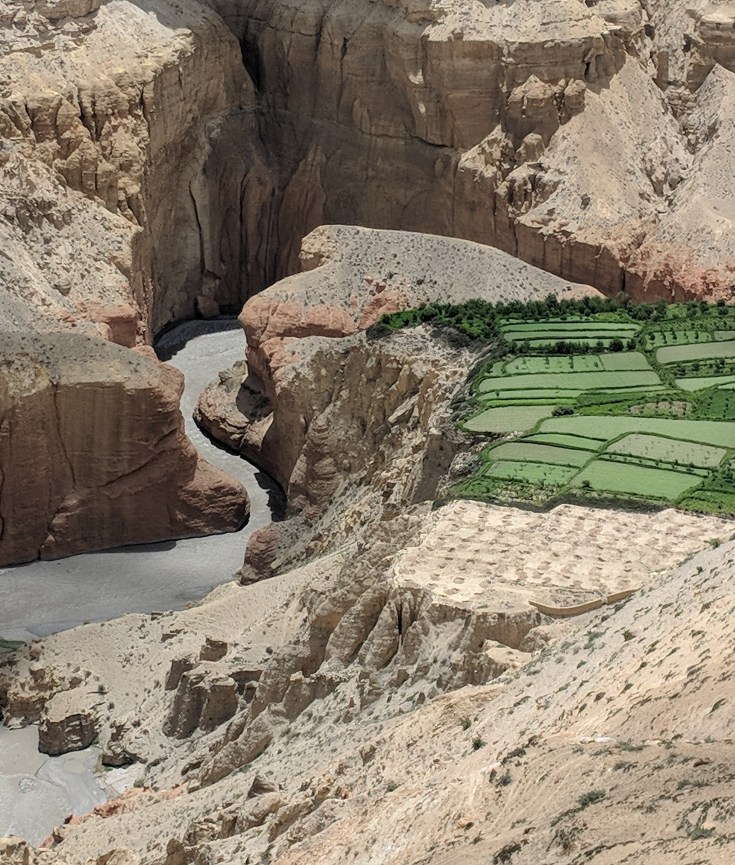
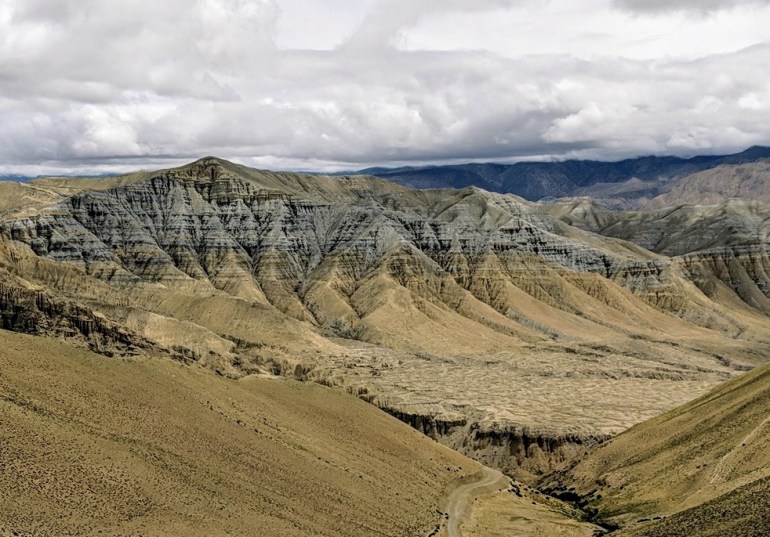
Once on our own feet in Upper Mustang, we spent the next 10 days walking through one of the most striking, arid, and huge-feeling landscapes I’ve ever seen.
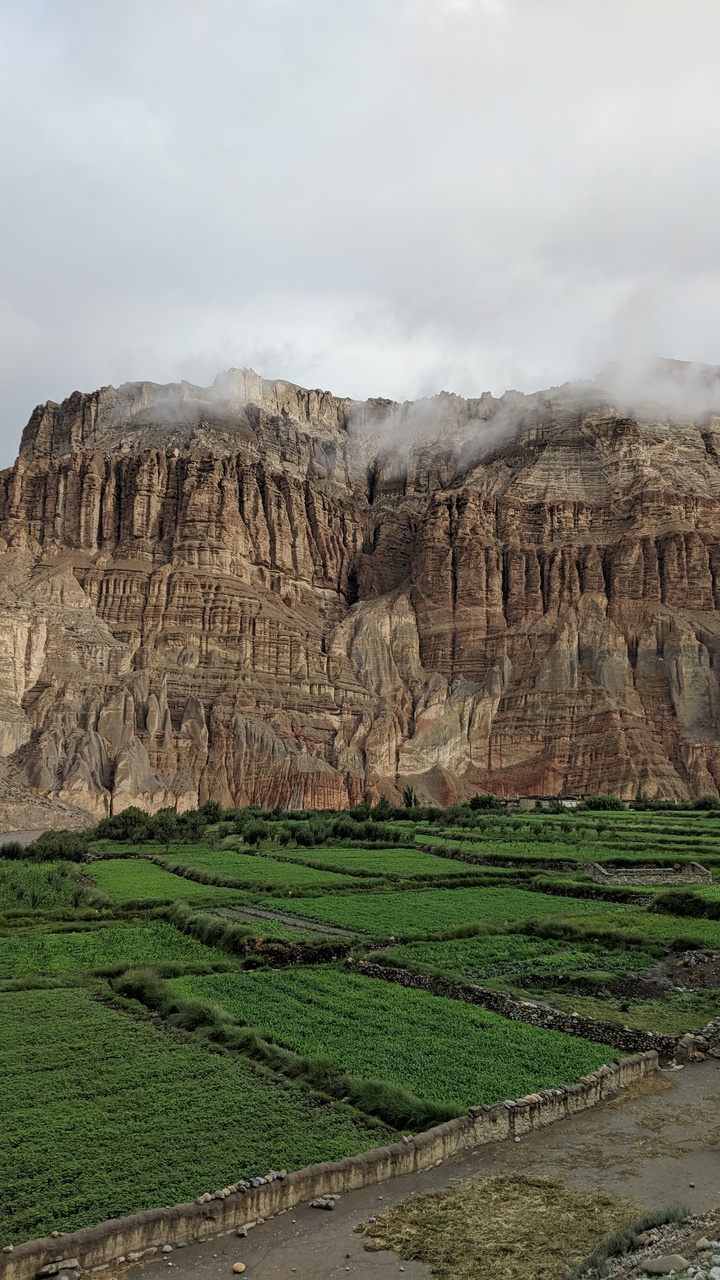
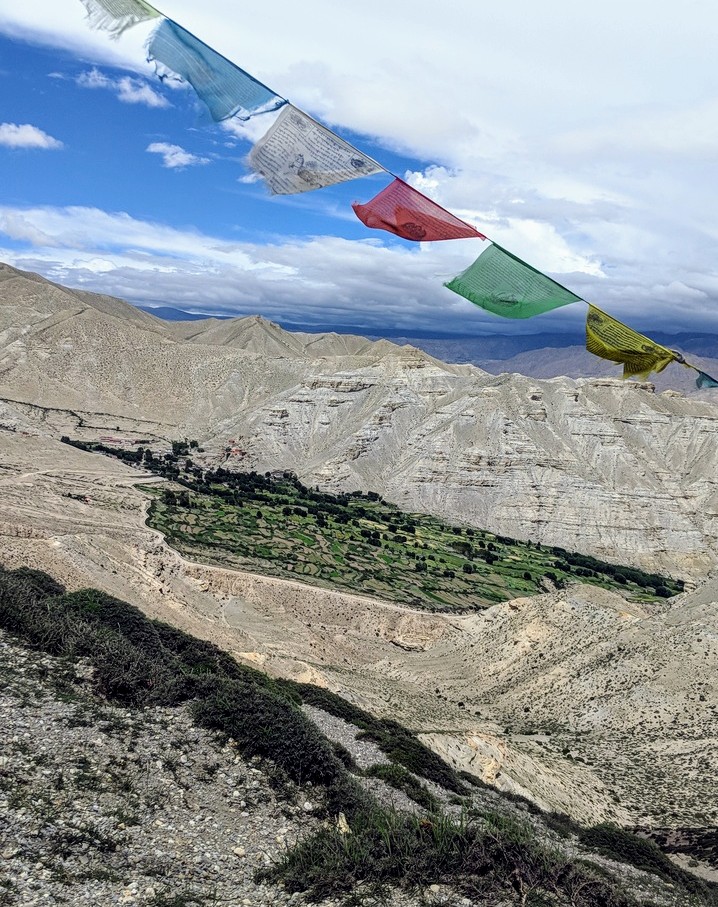
We kept exclaiming over different parts: This stretch looks like Nevada! This bit of river gorge is like the Grand Canyon! But, as a whole, I doubt the place has a real analogue. Its cloud-capped peaks descend down into steep green chasms, which descend down to high rolling plateaus painted in ochre, tan, and slate — in places dramatically cut by massive, deeply eroded arroyos — which descend down again to sheer red cliffs pocked with thousands of ancient man-made caves and crossed with striking sedimentary lines, which in turn descend down again to the wide, rushing, apocalyptically gray Kali Gandaki river… which is itself at around 9,000 feet of elevation.
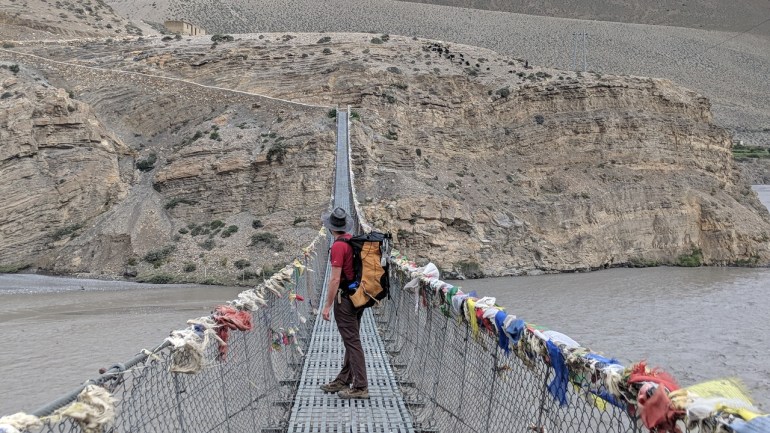
As it turns out, I suck at altitude, in addition to sucking at not-catching-shit. After a particularly tough 700 meter ascent on our second day, I nearly collapsed. I sat down in a thorn bush, within sight of the pass, and truly despaired of making it that last 50 meters. Jake fed me energy candies and talked me through it. We ended up spending a day and a half at the next village, while I adjusted to the altitude and the side effects of the altitude medication I’d until then been putting off taking. Again, for awhile it looked like the trek might be stillborn, but again we managed to rally.
In the rain shadow of the Annapurna range and basically on the edge of the Tibetan plateau, it’s high, dry, dusty, and cold in Upper Mustang, even at the height of summer. But it’s also full of life: the riverside cliffs are dotted with modest villages of whitewashed mud brick and the shocking bright green of irrigated buckwheat fields, the green chasms are dotted with grazing goats, and the gorge is alive with Himalayan eagles.
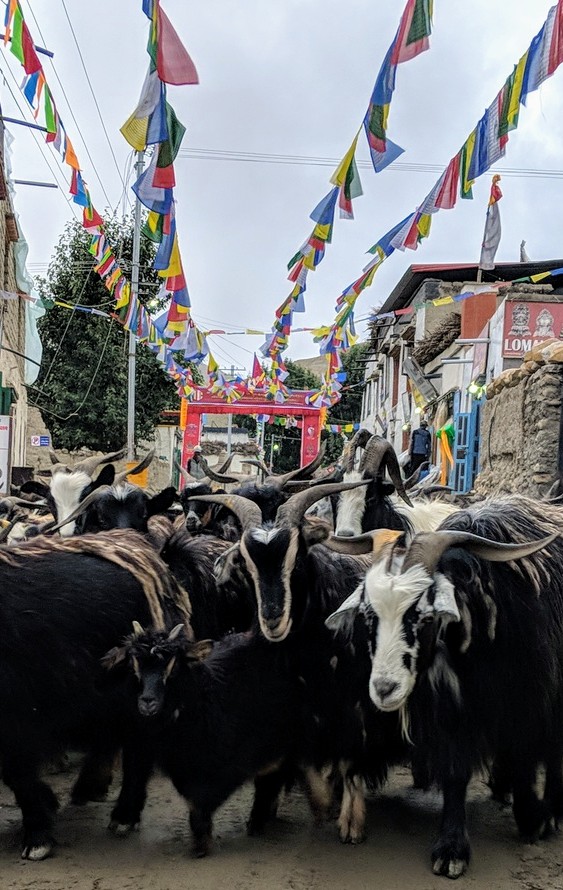
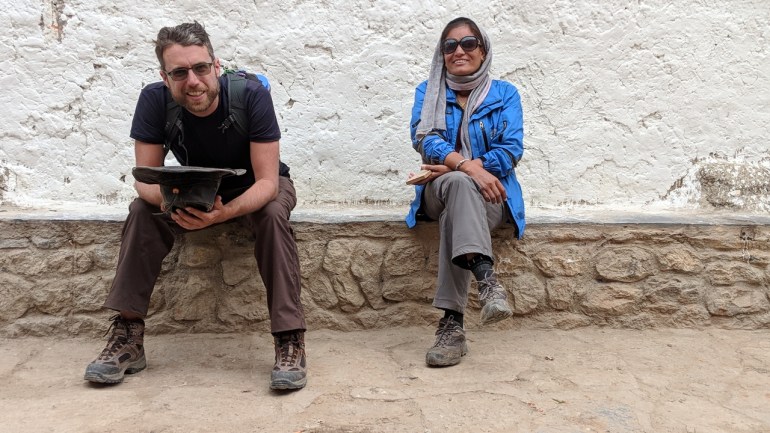
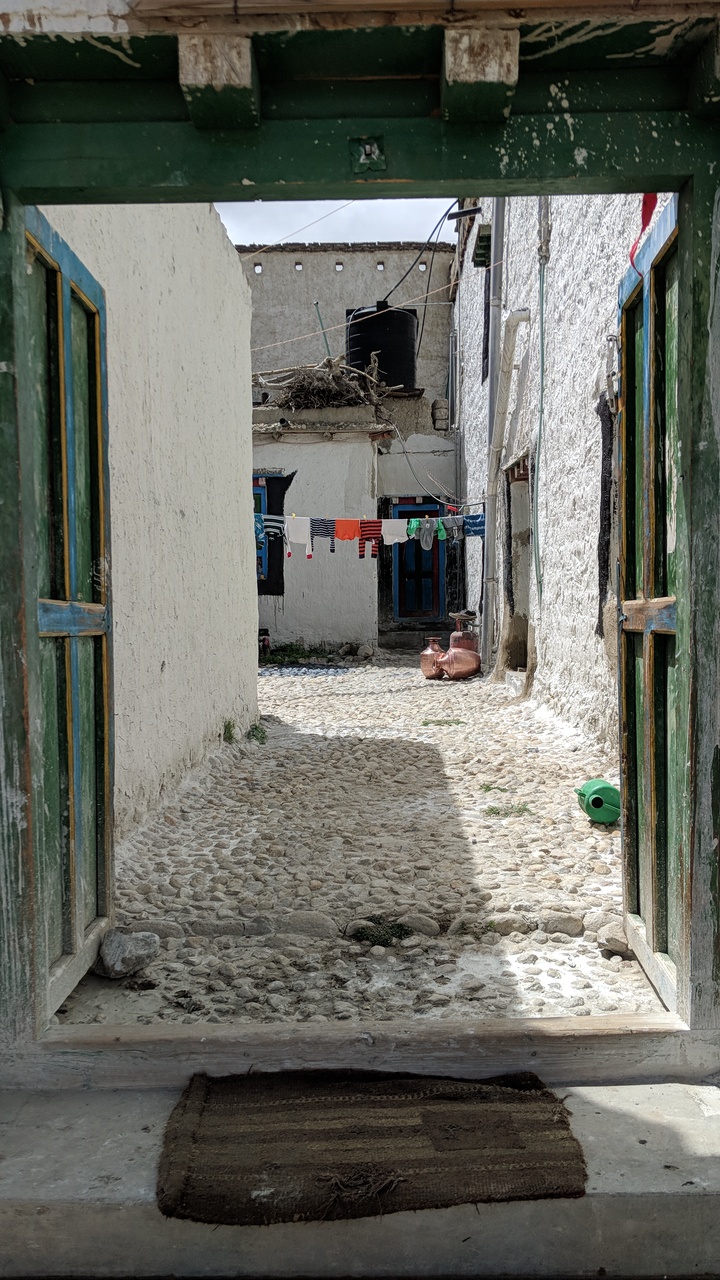
The region is culturally and linguistically Tibetan. We learned to say “Tashi Delek” instead of “Namaste,” and consumed more yak butter tea than we’d have really preferred. The people grow apples, buckwheat, mustard, potatoes, wheat, and tiny apricots over a single short season, and — as in much of Nepal — rely heavily on tourism and remittances. Even the smallest villages seemed to support a small monastic presence though, and the biggest towns had lavishly appointed “gompas” or monasteries, some dating from the 13th & 14th centuries.
Formerly the Kingdom of Lo — the last king formally stepped down in just 2008 — the area’s cultural heart is the medieval walled town of Lo Manthang, not far from Nepal’s northern border. Our timing was lucky: the day after we arrived in Lo Manthang, the town also welcomed Sakya Trizin, the hereditary leader of the Sakya school of Tibetan Buddhism followed by most residents. His arrival was a huge to-do, complete with processions, traditional song and dance, and all sorts of decorative offerings lining the streets, from bowls of mustard flowers to baskets of cow patties. As a tourist, it’s such a rare treat to see something like traditional dance and music performed in context and for the community (rather than for us).
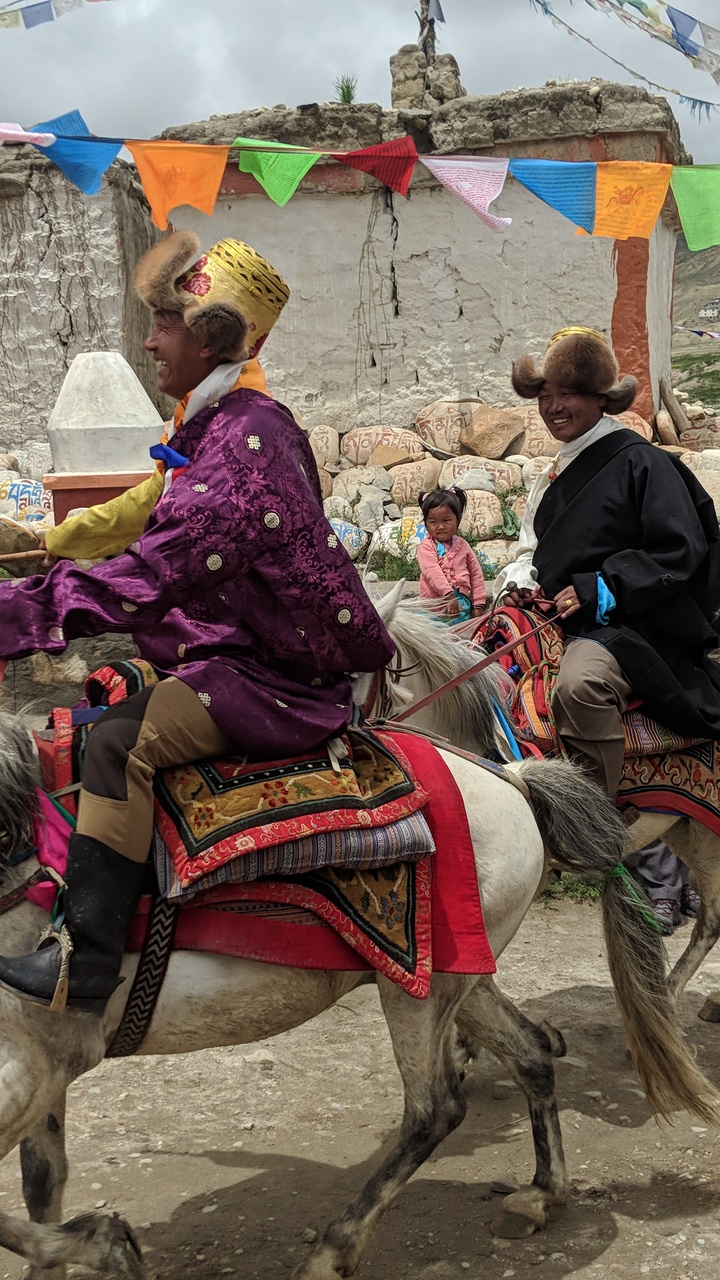
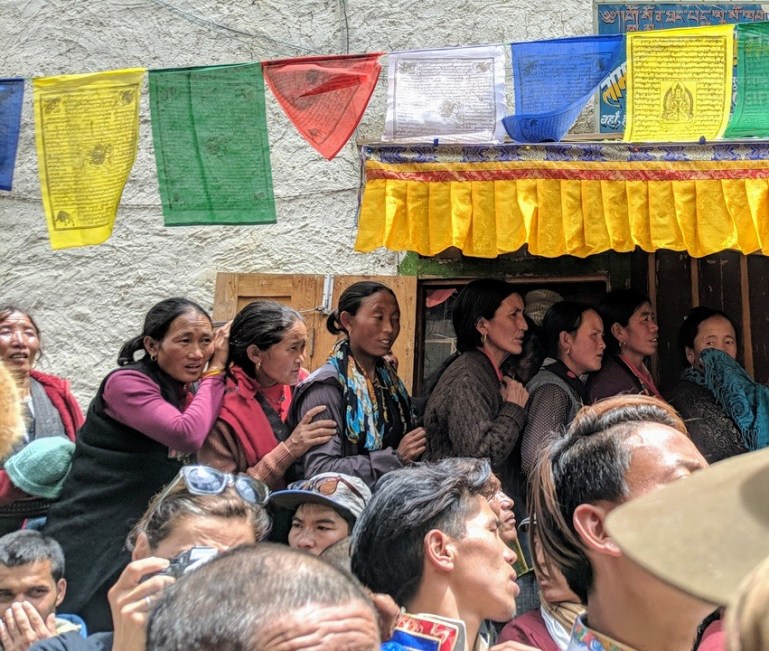
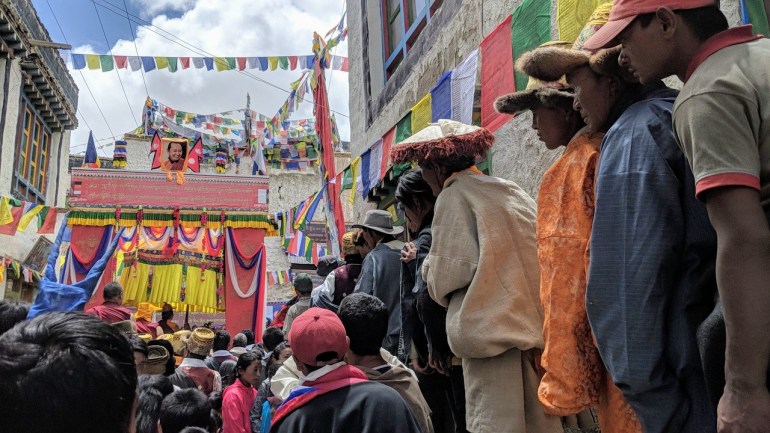
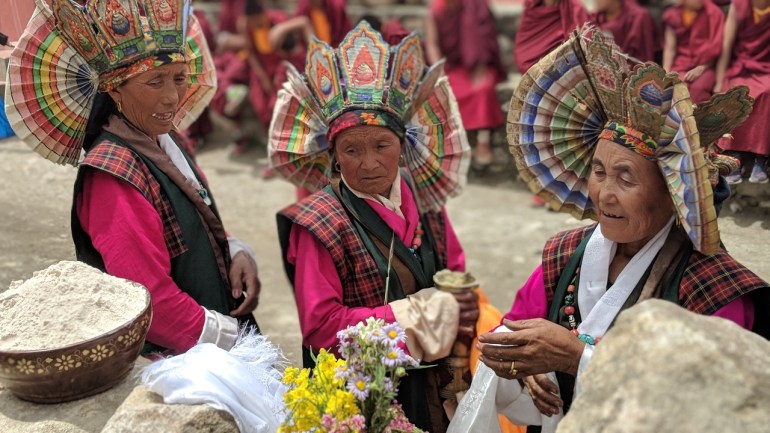
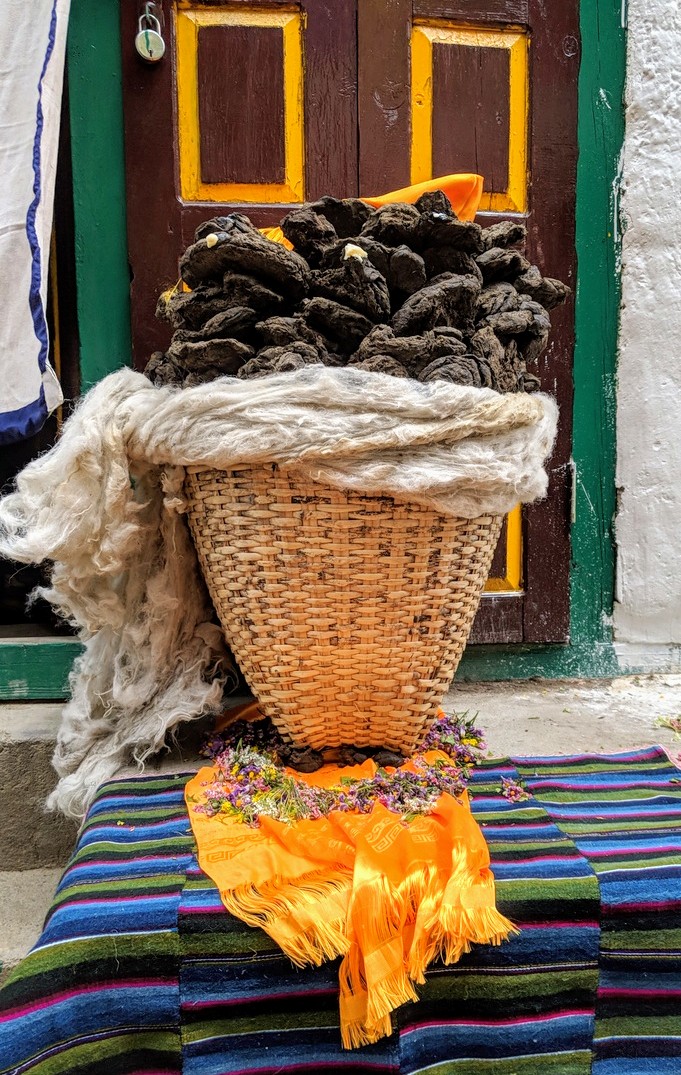
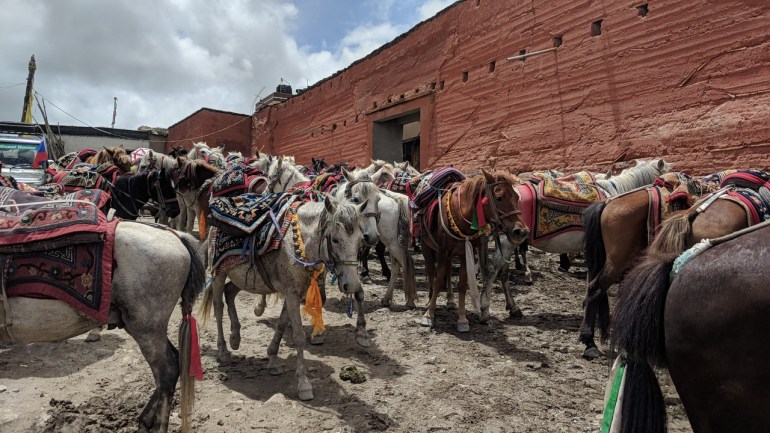
Upper Mustang is a place in dramatic flux: accessible only by foot and horse less than a generation ago, most of the main towns are now served by a narrow, heart-stoppingly precarious jeep road that the government is actively working on widening (a bit of a theme in Nepal, tbh). On many occasions we had to pick our way around bulldozers perched cliffside that some teenager had reluctantly paused just long enough for us to scramble by. In the villages and towns, change is evident in the big multistory buildings going up, in the Hindi soap operas on TV, in the limited-but-present cell signal.
Flux, though, is nothing new to these mountains. Ground down constantly as they are by the relentless pressures of water and wind, pushed up ceaselessly by the slow, inexorable tectonic movement of India crashing into China. The road building and rebuilding that looks so simultaneously fruitless and destructive is not, in the end, so significant in the Himalayan timescale.
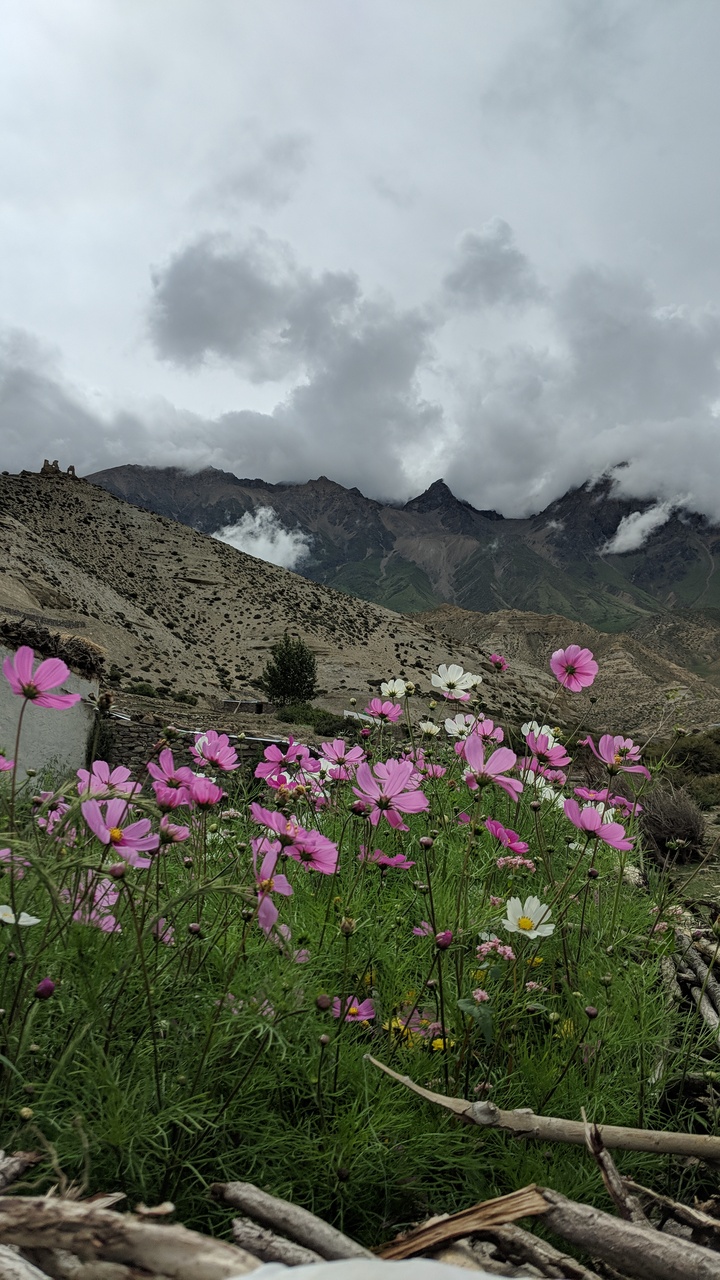
Impermanence, non-attachment. Jacob and I had just a few days together before he headed back to the states, which we spent cuddling and getting lost in beautiful old Patan. I felt, shall we say, very attached to having him there.
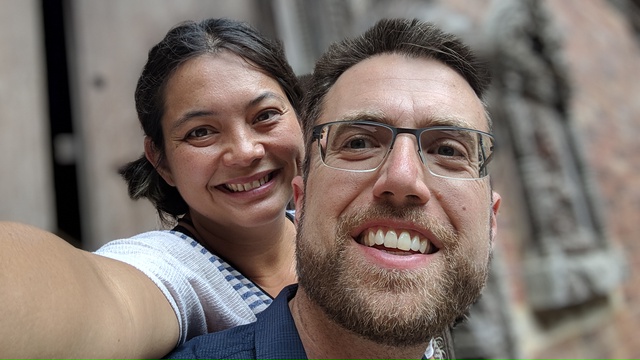
After he left, I was left with a somewhat unexpected 10 days before my scheduled tour that would take me onward to Tibet. I opted to escape Kathmandu’s dusty streets and headed for Kopan Monastery on the outskirts of town. It’s a traditional Tibetan monastery that’s somewhat famous for teaching English-language courses for westerners, and I took one called “How We Create Our World.” For a little over a week, I agreed to relinquish my phone, abstain from alcohol and sex, not lie (even by omission), and not kill anything (even mosquitoes).
For the past couple of years, I’ve been flirting with Buddhism. I go semi-regularly to a dharma talk & meditation group in Berkeley. I went on a weeklong, semi-silent retreat in the Santa Cruz mountains once. I’ve shied away from calling myself a Buddhist per se, but I’m definitely Buddhist-adjacent and Buddhism-curious.
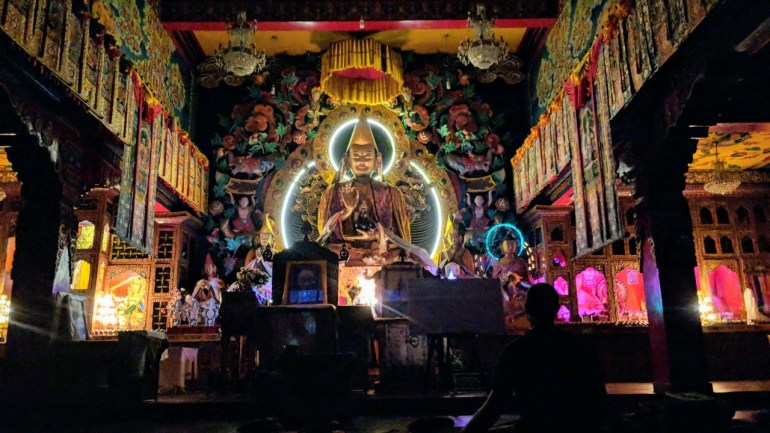
But while I’m glad I went to this course at Kopan — and the place and people were lovely — I didn’t love the teachings. We talked a lot about karma and reincarnation, two of the Buddhist teachings that I find the least accessible, believable, and frankly the least morally good. We also talked a lot about attachment, about what that means in our personal relationships, and how one can — nay should — love all beings equally, from your partner to the least mosquito.
I struggled with all of this a lot. I was frustrated. We were also talking a lot about aversion in the Buddhist context, which is pretty much exactly what I was feeling (and isn’t a good thing).
But while I wanted to strip away my preconceptions and come at it with a clear, open mind, I also wanted to pay attention to what feels true to me. Reincarnation, at least in its literal, orthodox interpretation, just doesn’t seem true. Karma, at least inasmuch as it’s logically dependent on reincarnation, seems neither true nor right.
I’m not willing to abdicate my critical thinking or subsume my agency into that of a guru. Tibetan Buddhism, in contrast with other strains, relies foundationally on the complete devotion — like, really complete — to a teacher or guru, and this makes me deeply uneasy.
Mahayana Buddhism more broadly (of which Tibetan or Vajrayana Buddhism, is an offshoot) is built on the concept that enlightenment is to be sought selflessly, for the betterment of all beings, and that achieving enlightenment is the best way to help end the suffering of all the sentient beings in all the worlds. All very well and good, if you believe we’ve all got plenty of subsequent lives coming up, but it does sort of fall apart without a belief in reincarnation.
Also, the reductio ad absurdum here is that working on your own enlightenment is always a better thing to do than helping beings in the here and now. At one point, the teacher basically endorsed this position, quoting some other famous teacher: “Social justice is a waste of time,” she said. She said it with a laugh, but there it was. “Huh,” I thought, with total and perfect clarity, “I guess I’m not a Buddhist.”
But I’m not ready to totally cede that ground. So much of the dharma (aka the Buddha’s teachings) makes sense to me. So much of it does actually feel right, like an accurate, wholistic description of the world as I understand it.
Inasmuch as “karma” can just mean “action” — that the phenomenal world is one great network of causes and effects and conditions, which are often too subtle and chaotic for us to fully comprehend — then yes, I will buy some of that. The teachings on impermanence and non-self and emptiness really sing for me: Basically, I already think of myself as a temporary, porous alliance of microorganisms and sub-organism structures, with an emergent, useful, evolutionarily-determined illusion of selfhood. One of my deepest and longest-standing convictions is that all divisions are essentially membranous, and all membranes are temporary.
I believe in the dharma’s directives too: I think meditation works (read: makes your mind clearer and more capable, in ways that range from the mundane to the transformative); I think a clear, simple ethical framework is useful in general and essential when combined with a contemplative practice; I think compassion is inherently good (inasmuch as anything is inherently good) and that it can likewise be practiced.
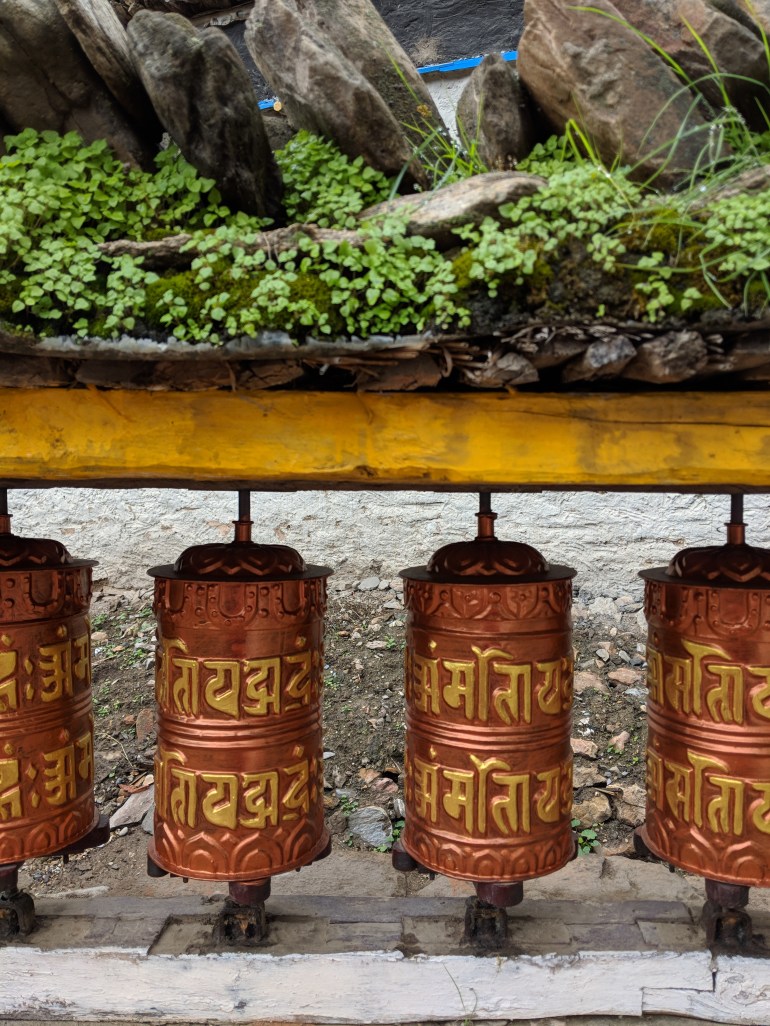
Eventually, at the monastery, I was able to let go of my distress without letting go of my skepticism. I’m not a Mahayana Buddhist, it’s true, but that doesn’t mean I need to give up on any of the good bits. I can be a secular Buddhist with a keen aesthetic appreciation and a deep — like, really deep — belief in the power of placebo, especially as it relates to religious and spiritual ritual.
And I can love in the specific, not just the general. I can make sure the people in my life know that I love them more than any damn mosquito. (I fucking hate mosquitoes, let’s be real.) I can even have attachments — so long as I recognize their impermanence.
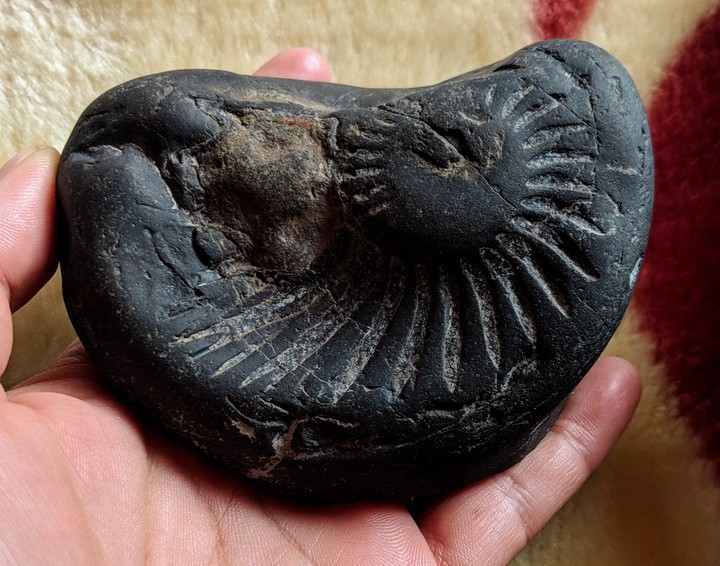
In Upper Mustang, concentrated in the Kali Gandaki riverbed, there are ammonite fossils — ancient, extinct aquatic mollusks, kin to the Nautilus. I was on the lookout for the characteristic soot-black rocks for our whole trek, but I never found one with a fossil in it. Then, on the last day, we were gifted one with a large, nearly complete spiral by a friendly road worker who’d just found it by the side of the road.
I spent that afternoon sitting and meditating while running my fingers over its oceanic curves. I found a lot of comfort there:
This highest of places was once the sea. What a huge, slow catastrophe to be a soft animal alive on this violently changing ball of moving, liquid rock. But even *now* life persists.
 Grounded
Very awesome writing and pictures ! Love you sharing !
LikeLike
Wonderful to wonder over your experience and contemplate my own takes. “I can even have attachments — so long as I recognize their impermanence.” Was especially ringing true!
Xoxooxox
LikeLike